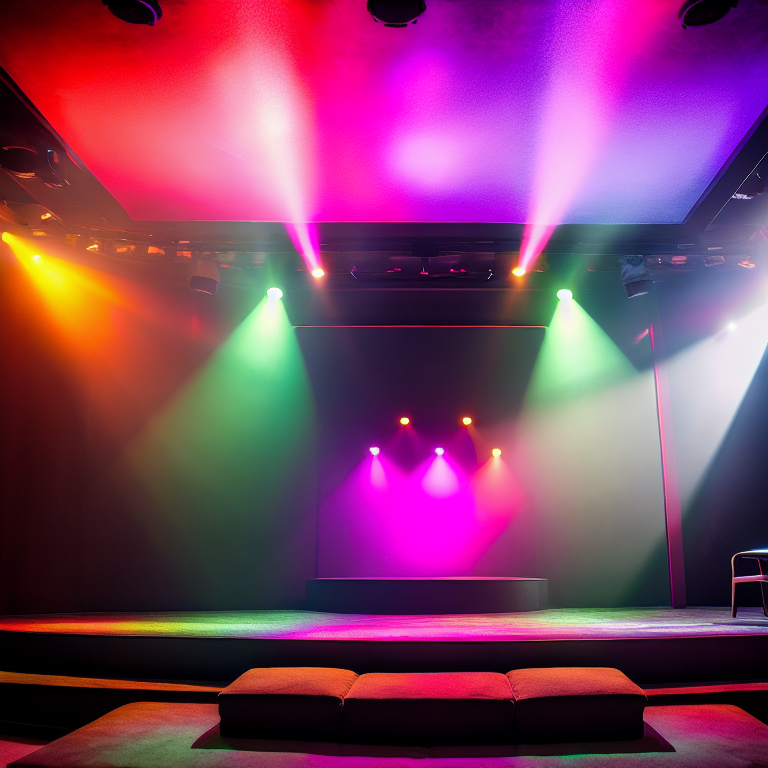
Lighting can make or break a small theater production. When you’re working with limited resources and a compact space, every light matters. The right lighting design doesn’t just illuminate actors—it shapes mood, directs audience attention, and transforms a simple stage into a powerful storytelling environment.
Small theater productions face unique challenges. Unlike large venues with massive lighting rigs and dedicated technicians, community theaters and black box spaces must maximize impact with minimal equipment. This forces creativity and precision, turning constraints into opportunities for innovative design.
The foundation of great lighting design starts with understanding your space and story. Before hanging a single light, walk your stage, note architectural features, and consider how different areas will be used throughout the performance. Small theaters often have odd angles, limited electrical outlets, or unusual ceiling heights that affect your setup.
Think about the emotional journey of your production. A comedy might benefit from bright, even lighting that keeps everything visible and cheerful. A drama could use dramatic contrasts, with deep shadows and focused pools of light to create tension. The lighting should evolve with the narrative, supporting scene changes and emotional shifts without drawing attention to itself.
Color temperature plays a crucial role in small spaces. Warm tones (around 2700K-3200K) create intimacy and comfort, perfect for dialogue-heavy scenes or emotional moments. Cooler temperatures (5000K-6500K) feel more clinical or energetic, useful for scenes requiring clarity or tension. Many small theaters use practical lights—table lamps, floor lamps, or string lights—that actors can interact with, adding authenticity while solving lighting challenges.
Direction and angle matter enormously in confined spaces. Side lighting can sculpt faces and create depth without washing out the entire stage. Backlighting separates actors from backgrounds, preventing them from blending into dark backdrops. Top lighting, while sometimes harsh, can be useful for specific effects or when floor space is limited.
Small theater lighting designers often rely on three-point lighting basics: a key light (main illumination), fill light (softening shadows), and backlight (creating separation). But in tiny spaces, you might need to modify this approach. Sometimes one well-placed light with a carefully chosen gel can achieve more than three generic fixtures.
Modern LED technology has revolutionized small theater lighting. Battery-powered fixtures eliminate cable clutter and can be placed anywhere. Smart bulbs allow color changes without swapping gels. Even smartphone apps can control some lighting systems, making sophisticated effects accessible to productions with tiny budgets.
Practical considerations dominate small theater lighting. You’ll need to account for heat buildup in confined spaces, ensure cables don’t create tripping hazards, and coordinate with other technical elements like sound and projections. Always have backup plans—bulbs burn out, circuits overload, and actors move unexpectedly.
The best small theater lighting designs feel effortless. When done right, audiences focus on the story, not the lights. But achieving that invisibility requires meticulous planning, testing, and adjustment. Start lighting rehearsals early, make notes about what works and what doesn’t, and be willing to change your design as actors discover their blocking.
Remember that lighting serves the performance, not the other way around. Your job is to enhance what actors and directors create, not overshadow it. Sometimes the most powerful lighting choice is simplicity—a single light in exactly the right place can be more effective than a complex rig.
Budget constraints often spark the most creative solutions. Using household items as diffusers, borrowing lights from local schools or churches, or creating DIY color gels from theatrical supply stores can produce professional results without professional prices. The key is understanding light behavior and being willing to experiment.
Safety cannot be overlooked. Even small theaters need proper grounding, circuit protection, and secure mounting for all fixtures. Hot lights can cause burns, and loose cables create serious hazards. If you’re unsure about electrical work, consult professionals or experienced technicians in your community.
The magic of small theater lighting lies in its intimacy. You’re creating a shared experience in a confined space, where subtle changes in light can have profound emotional impact. A slight dimming can signal a character’s vulnerability. A sudden color shift can mark a scene transition. These nuanced touches connect directly with audiences in ways that larger productions cannot replicate.
Documentation helps refine your craft. Take photos during tech rehearsals, note successful gel combinations, and keep records of your lighting plots. This creates a valuable reference library for future productions and helps you develop your personal lighting style over time.
Community collaboration often enhances small theater lighting. Local lighting designers might mentor your team. Photography clubs may have equipment to loan. Universities with theater programs sometimes partner with community productions. Building these relationships expands your resources and knowledge base.
The evolution of a lighting design from concept to final performance mirrors the creative journey of any theatrical element. It requires vision, technical knowledge, adaptability, and collaboration. But when those elements align, the result transforms not just the stage, but the entire theatrical experience.
Small theater lighting design rewards patience and attention to detail. Each production teaches new lessons about your space, your equipment, and your artistic voice. Embrace the learning process, celebrate small victories, and remember that even the most elaborate Broadway shows started with someone experimenting with a single light in a small room.
Leave a Reply