Category: Stage Production

  • The Role of a Stage Manager: What You Need to Know

    The Role of a Stage Manager: What You Need to Know

    When you watch a live theater performance, you see actors on stage, but there’s a hidden hero making everything run smoothly behind the scenes. That person is the stage manager. They are the glue that holds the entire production together, making sure every light cue, sound effect, and actor entrance happens exactly when it should.

    A stage manager’s job starts long before opening night. During rehearsals, they take detailed notes on blocking, timing, and technical requirements. They work closely with the director to understand their vision and then translate that vision into a working reality for the entire production team. The stage manager becomes the central communication hub between actors, designers, technicians, and management.

    The role requires incredible organizational skills and the ability to think quickly on your feet. A good stage manager can solve problems before they become disasters. They keep track of countless details while maintaining a calm, professional demeanor even when things go wrong. This combination of skills makes them indispensable to any successful theater production.

    The Essential Skills Every Stage Manager Needs

    Being a stage manager requires a unique blend of technical knowledge and people skills. You need to understand lighting and sound equipment, but you also need to manage personalities and keep everyone working together harmoniously. The best stage managers are both detail-oriented perfectionists and flexible problem-solvers.

    Communication stands out as perhaps the most critical skill. A stage manager must clearly convey information to dozens of different people, each with their own priorities and concerns. They need to be assertive enough to give clear directions but diplomatic enough to handle sensitive situations with grace. This balance of authority and empathy is what separates great stage managers from merely good ones.

    Technical proficiency is equally important. Modern theater productions involve complex lighting and sound systems, video projections, and special effects. A stage manager must understand how all these elements work together and be able to troubleshoot issues quickly. They often serve as the bridge between creative vision and technical execution, translating artistic concepts into practical reality.

    Daily Responsibilities During Rehearsals

    During the rehearsal period, a stage manager’s day is packed with activity. They arrive early to prepare the space, checking that all necessary props and set pieces are in place. Throughout rehearsals, they take comprehensive notes on blocking, timing, and any changes the director makes. These notes become the official record of the production.

    One of their most important tasks is calling “places” before each run-through, ensuring all actors are ready to begin. They also coordinate with designers and technicians to test lighting and sound cues. The stage manager creates detailed prompt books that contain every piece of information needed to run the show, from actor entrances to technical cues.

    Problem-solving is a constant part of the job. When an actor forgets a line or a piece of scenery doesn’t work as planned, the stage manager must find quick solutions while keeping the rehearsal moving forward. They also mediate conflicts between cast and crew members, maintaining a positive working environment despite the stress of production deadlines.

    Preparing for Tech Week and Performances

    Tech week is when all the technical elements of the show come together with the performances. This is often the most stressful time for a stage manager, as they coordinate lighting, sound, costumes, and set changes with the actors’ performances. They create detailed cue sheets that specify exactly when each technical element should happen.

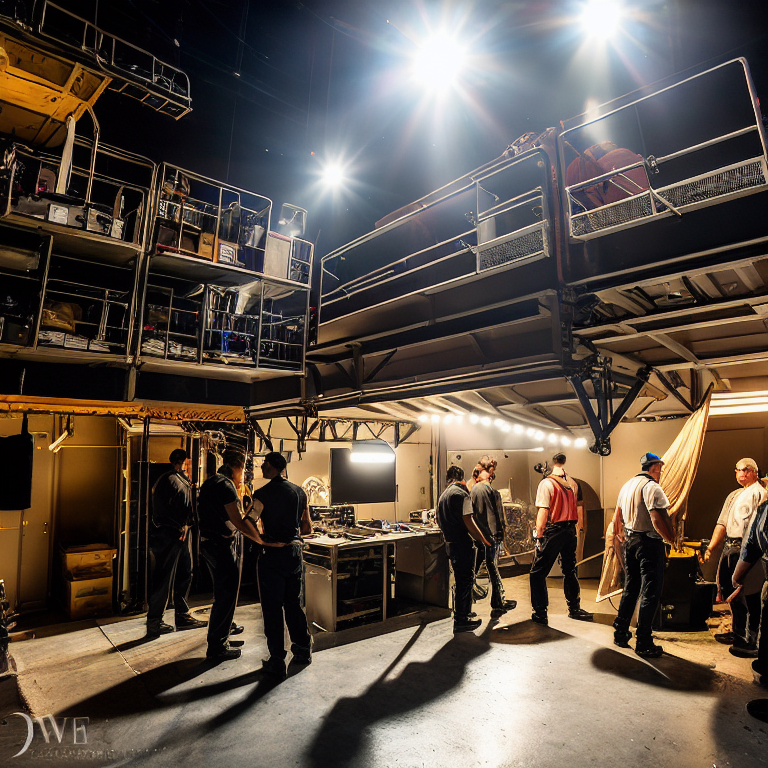
    During performances, the stage manager becomes the central nervous system of the production. They call all technical cues from the booth, using headsets to communicate with lighting and sound operators. They also serve as the emergency coordinator, ready to handle any unexpected issues that arise during the show. Their ability to remain calm under pressure can make the difference between a smooth performance and a disaster.

    The stage manager also oversees backstage operations during performances. They ensure actors are in the right places at the right times, coordinate quick changes, and manage the flow of people and props backstage. Their presence helps maintain order in what can be a chaotic environment, especially during complex scene changes or emergency situations.

    Building Strong Relationships with the Production Team

    Success as a stage manager depends heavily on building positive relationships with everyone involved in the production. This starts with developing a strong working relationship with the director. The stage manager must understand the director’s vision intimately and be able to implement it consistently throughout the production process.

    Working effectively with designers requires clear communication about technical requirements and limitations. A stage manager needs to understand what’s possible within the constraints of the venue and budget while still supporting the designers’ creative goals. This often involves finding creative solutions to technical challenges.

    The relationship with actors is equally important. Stage managers need to be approachable and supportive while maintaining professional boundaries. They often become a source of stability for actors, especially during the stressful period leading up to opening night. Building trust with the cast helps create a positive working environment that translates to better performances.

    The Technical Side of Stage Management

    Modern stage management involves sophisticated technology that requires specialized knowledge. Digital prompt books have largely replaced paper versions, allowing stage managers to track cues, make notes, and communicate with the team more efficiently. Understanding these digital tools is now essential for the job.

    Lighting and sound systems have also become more complex, often controlled by computerized consoles. A stage manager needs to understand how these systems work to effectively call cues and troubleshoot problems. They work closely with lighting and sound designers to ensure cues are executed precisely as intended.

    Video and projection technology has also become more common in theater productions. Stage managers must understand how to integrate these elements seamlessly with live performances. This might involve coordinating pre-recorded content with live action or managing multiple camera feeds during a performance.

    Crisis Management and Problem Solving

    No matter how well a production is planned, unexpected problems will arise. A stage manager’s ability to handle these situations calmly and effectively is crucial. This might involve dealing with technical failures, actor emergencies, or last-minute script changes.

    During performances, the stage manager must be prepared for anything. They need to know how to handle medical emergencies, equipment failures, or even weather-related issues in outdoor venues. Having contingency plans for common problems helps ensure the show can go on no matter what happens.

    The best stage managers anticipate potential problems before they occur. They conduct thorough safety checks, verify all equipment is working properly, and ensure backup plans are in place. This proactive approach helps prevent many crises from happening in the first place.

    Career Development and Advancement

    Many stage managers start their careers as assistants or interns, learning the ropes while working on smaller productions. Building a strong reputation for reliability and professionalism is key to advancing in the field. Networking within the theater community can lead to more opportunities and higher-profile productions.

    Continuing education is important in this field, as technology and techniques are constantly evolving. Many stage managers take workshops or courses to stay current with new developments in theater technology and management practices. Some pursue formal education in theater or arts management to enhance their credentials.

    Specialization can also lead to career advancement. Some stage managers focus on specific types of productions, such as musicals, operas, or large-scale events. Others develop expertise in particular aspects of stage management, such as complex technical productions or touring shows.

    Essential Tools and Technology

    The modern stage manager relies on various tools to do their job effectively. Digital prompt books have become standard, allowing for easy updates and sharing of information with the production team. These often include features for tracking cues, making notes, and communicating with other team members.

    Communication equipment is crucial, especially during performances. Clear, reliable headsets allow the stage manager to coordinate with crew members throughout the venue. Backup communication systems are also important in case of technical failures.

    Organizational tools help manage the countless details involved in a production. This might include software for scheduling rehearsals, tracking props and costumes, or managing the production budget. The ability to stay organized while juggling multiple responsibilities is essential for success.

    Frequently Asked Questions (FAQ)

    What qualifications do you need to become a stage manager? While formal education isn’t always required, many stage managers have degrees in theater or related fields. More important are practical experience and demonstrated skills in organization, communication, and problem-solving. Many start by volunteering or interning with local theater companies.

    How much do stage managers typically earn? Salaries vary widely depending on the type of productions and the region. Entry-level stage managers might earn around $25,000-$35,000 annually, while experienced professionals working on major productions can earn $50,000 or more. Freelance stage managers are often paid per production rather than receiving a salary.

    What’s the difference between a stage manager and a director? The director is responsible for the artistic vision of the production, while the stage manager handles the practical implementation of that vision. The director focuses on performances and creative decisions, while the stage manager manages logistics, schedules, and technical coordination.

    How do you handle stress during tech week? Successful stage managers develop coping strategies for the intense pressure of tech week. This might include maintaining detailed organization systems, building a reliable support network, and practicing stress management techniques. Experience also helps, as veteran stage managers know what to expect and how to handle common challenges.

    Can stage managers work in other areas of theater production? Many stage managers transition into other roles such as production management, company management, or even directing. The organizational and communication skills developed as a stage manager are valuable in many areas of theater administration and production.

    Conclusion

    The role of a stage manager is both challenging and rewarding. It requires a unique combination of technical knowledge, organizational skills, and people management abilities. While often working behind the scenes, stage managers are essential to the success of any theatrical production.

    For those interested in pursuing this career, the path typically involves starting with smaller productions and gradually building experience and reputation. The skills learned as a stage manager are valuable in many areas of theater and entertainment production. Whether you’re interested in working on Broadway productions or community theater, the role of stage manager offers a fulfilling career for those who enjoy the excitement and challenges of live theater.
  • How to Manage Stage Fright for Performers: 7 Proven Strategies to Conquer Nerves and Shine on Stage

    Stage fright affects nearly every performer at some point in their career. Whether you’re an actor stepping onto a stage for the first time or a seasoned musician performing at a major venue, those butterflies in your stomach can feel overwhelming. The good news is that stage fright is completely manageable with the right techniques and mindset.

    Understanding what happens in your body during stage fright is the first step to overcoming it. When you feel nervous, your body releases adrenaline as part of the fight-or-flight response. This causes your heart to race, your palms to sweat, and your breathing to become shallow. While these physical reactions can feel uncomfortable, they’re actually preparing your body to perform at its best.

    Many performers make the mistake of trying to eliminate stage fright completely. However, research shows that a moderate level of nervousness can actually enhance your performance by keeping you alert and energized. The goal isn’t to remove all anxiety but to manage it effectively so it works for you rather than against you.

    Understanding the Science Behind Stage Fright

    Stage fright isn’t just in your head – it’s a real physiological response that affects your entire body. When you’re about to perform, your brain perceives the situation as potentially threatening, triggering the release of stress hormones like cortisol and adrenaline. This response evolved to help our ancestors survive dangerous situations, but in modern times, it can interfere with our ability to perform at our best.

    The physical symptoms of stage fright include increased heart rate, rapid breathing, dry mouth, sweaty palms, and muscle tension. These symptoms occur because your body is redirecting blood flow to your major muscle groups and away from your digestive system. While this response was useful for running from predators, it can make you feel shaky and uncomfortable when you’re trying to deliver a monologue or sing a song.

    Understanding that these physical reactions are normal and temporary can help reduce your anxiety about them. Many performers find that simply acknowledging their nervousness and accepting it as a natural part of the performance process helps them feel more in control. You can learn more about how to overcome stage fright before your big performance by understanding these underlying mechanisms.

    Preparation Strategies That Build Confidence

    One of the most effective ways to manage stage fright is through thorough preparation. When you know your material inside and out, you’ll feel more confident and less likely to be thrown off by unexpected situations. This means not just memorizing your lines or music, but also understanding the context, the character’s motivations, and the overall structure of the piece.

    Start your preparation well in advance of the performance date. Break your material into manageable sections and practice each part until it feels natural. Record yourself performing and watch the playback to identify areas for improvement. Practice in different environments – standing, sitting, with and without music – to prepare for various performance conditions.

    Consider doing a dress rehearsal in the actual performance space if possible. Familiarity with the stage, lighting, and acoustics can significantly reduce anxiety on the big day. If you can’t access the actual venue, try to recreate the performance environment as closely as possible during your practice sessions.

    Breathing Techniques for Immediate Calm

    When stage fright hits, your breathing becomes shallow and rapid, which can make you feel even more anxious. Learning to control your breathing is one of the fastest ways to calm your nerves and regain composure. The 4-7-8 breathing technique is particularly effective for performers.

    To practice this technique, inhale quietly through your nose for a count of 4, hold your breath for a count of 7, then exhale completely through your mouth for a count of 8. Repeat this cycle 3-4 times. This breathing pattern helps slow your heart rate and activates your parasympathetic nervous system, which promotes relaxation.

    Another useful technique is diaphragmatic breathing, also known as belly breathing. Place one hand on your chest and the other on your belly. Breathe in deeply through your nose, focusing on expanding your belly rather than your chest. Exhale slowly through your mouth. Practice this technique daily so it becomes second nature when you need it most.

    Mental Rehearsal and Visualization

    Your mind is a powerful tool for managing stage fright. Mental rehearsal involves imagining yourself performing successfully, which can help build confidence and reduce anxiety. This technique is used by professional athletes, musicians, and actors to prepare for high-pressure situations.

    Find a quiet space where you won’t be disturbed. Close your eyes and imagine yourself on stage, performing perfectly. Visualize every detail – the lighting, the audience, your movements, and your voice. Imagine the audience responding positively to your performance. The more vividly you can imagine the scene, the more effective this technique will be.

    Practice this visualization exercise daily in the weeks leading up to your performance. Start with just a few minutes and gradually increase the duration. Some performers find it helpful to combine visualization with physical practice, mentally rehearsing while going through their movements or vocal exercises.

    Physical Warm-up Routines

    Just as athletes warm up before a game, performers need to prepare their bodies for the physical and mental demands of performing. A good warm-up routine can help reduce muscle tension, improve focus, and channel nervous energy into positive performance energy.

    Start with gentle stretching exercises to release tension in your neck, shoulders, and back. These areas often hold stress and can affect your posture and breathing. Include exercises that open up your chest and improve your breathing capacity.

    Vocal warm-ups are essential for singers and actors. Practice scales, tongue twisters, and breathing exercises to prepare your voice. Even if you’re not a singer, vocal exercises can help you speak more clearly and project your voice better on stage.

    Building a Pre-Performance Ritual

    Many successful performers have specific routines they follow before every performance. These rituals serve as psychological anchors that signal to your brain that it’s time to perform. They can help you transition from nervous energy to focused performance mode.

    Your ritual might include specific warm-up exercises, reviewing your material, or doing relaxation techniques. Some performers like to arrive at the venue early to get comfortable with the space. Others prefer to stay in their dressing room until just before showtime.

    Whatever routine you choose, make it consistent and meaningful to you. It could be as simple as listening to a particular song, doing a specific breathing exercise, or wearing a lucky item of clothing. The key is that it helps you feel centered and prepared.

    Connecting with Your Audience

    One of the biggest fears performers have is being judged negatively by the audience. However, most audience members want you to succeed – they’ve come to enjoy your performance, not to criticize you. Shifting your focus from yourself to your audience can significantly reduce stage fright.

    Before you go on stage, remind yourself that the audience is on your side. They’re not looking for perfection; they’re looking to be entertained, moved, or inspired. Your job is to share your talent and passion with them, not to be flawless.

    Practice making eye contact with audience members during your performance. This creates a connection that can make the experience feel more like a conversation than a test. Start by looking at friendly faces in different parts of the audience, then gradually expand your focus as you become more comfortable.

    Using Positive Self-Talk

    The way you talk to yourself before and during a performance can significantly impact your level of anxiety. Negative self-talk like “I’m going to mess up” or “I’m not good enough” only increases stage fright. Instead, practice positive self-talk that builds confidence and focuses on your preparation and abilities.

    Replace negative thoughts with positive affirmations. Instead of thinking “I’m nervous,” try “I’m excited to share my talent.” Rather than “I might forget my lines,” tell yourself “I’ve practiced thoroughly and I’m prepared.” These positive statements may feel awkward at first, but with practice, they become more natural and effective.

    Create a list of positive affirmations specific to your performance situation. Write them down and review them regularly. Some performers find it helpful to record these affirmations and listen to them before performances.

    Learning from Each Performance

    Every performance, whether it goes perfectly or not, is an opportunity to learn and grow as a performer. Instead of dwelling on mistakes or perceived failures, focus on what you can learn from each experience.

    After each performance, take some time to reflect on what went well and what you could improve. Be specific and constructive in your self-evaluation. Celebrate your successes, no matter how small they may seem. Acknowledge the courage it took to get on stage in the first place.

    Keep a performance journal where you record your experiences, insights, and goals for improvement. Over time, you’ll see patterns emerge and identify which techniques work best for you. This ongoing learning process will help you become more confident and resilient as a performer.

    Building a Support Network

    Having a strong support network can make a significant difference in managing stage fright. Surround yourself with people who encourage and believe in you – fellow performers, teachers, friends, and family members who understand the challenges of performing.

    Consider joining a local theater group, choir, or other performing arts organization. These communities provide opportunities to practice performing in a supportive environment and learn from others’ experiences. You can share techniques, offer encouragement, and receive valuable feedback.

    Don’t be afraid to ask for help when you need it. Talk to your director, teacher, or mentor about your concerns. They’ve likely experienced stage fright themselves and can offer practical advice and support. Remember, seeking help is a sign of strength, not weakness.

    Frequently Asked Questions (FAQ)

    What causes stage fright in performers?

    Stage fright is caused by the body’s natural fight-or-flight response to perceived threats. When you’re about to perform, your brain may interpret the situation as dangerous, triggering the release of stress hormones like adrenaline and cortisol. This response is completely normal and affects performers of all experience levels.

    How long does stage fright typically last?

    Stage fright usually peaks in the minutes before a performance and begins to subside once you start performing. For most people, the physical symptoms last anywhere from 10-30 minutes. With practice and the right techniques, you can learn to manage these symptoms more effectively and reduce their duration.

    Can stage fright actually improve my performance?

    Yes, moderate levels of anxiety can enhance your performance by keeping you alert and energized. The key is learning to channel nervous energy into positive performance energy rather than letting it overwhelm you. Many successful performers report that they still feel nervous before shows, but they’ve learned to use that energy to their advantage.

    Should I tell my audience I’m nervous?

    Generally, it’s best not to announce your nervousness to the audience. Most audience members won’t notice your anxiety unless you point it out. Instead, focus on your performance and connecting with your audience. If you do make a mistake due to nervousness, handle it professionally and keep going – the audience will appreciate your professionalism.

    How can I help a fellow performer who is experiencing stage fright?

    Offer encouragement and support without being dismissive of their fears. Share your own experiences with stage fright if you’ve had them. Help them practice relaxation techniques or go through their material with them. Sometimes just being a supportive presence can make a big difference.

    Conclusion

    Managing stage fright is a skill that develops over time with practice and patience. Remember that even the most accomplished performers experience nervousness – it’s a normal part of the performing experience. The difference between those who struggle with stage fright and those who thrive is often just a matter of having the right tools and techniques.

    Start implementing these strategies gradually, focusing on the ones that resonate most with you. Be patient with yourself as you develop your own approach to managing performance anxiety. With consistent practice, you’ll find that stage fright becomes less overwhelming and more manageable.

    The performing arts require courage, vulnerability, and resilience. By learning to manage your stage fright effectively, you’re not just becoming a better performer – you’re developing valuable life skills that will serve you well in many areas beyond the stage. Embrace the journey, celebrate your progress, and remember that every great performer started exactly where you are now.

  • How to Build a Portable Stage: Complete Step-by-Step Guide for Theater Productions

    Building a portable stage opens up countless possibilities for theater productions, community events, and performances in spaces that weren’t designed for shows. Whether you’re setting up in a school gym, outdoor festival, or multi-purpose room, having a stage you can transport and assemble quickly makes your productions more professional and accessible.

    The beauty of portable stages lies in their versatility. Unlike permanent installations that tie you to one location, these stages can transform any flat surface into a performance space. They’re especially valuable for schools, community theaters, and traveling productions that need to adapt to different venues. The investment in building your own portable stage pays off through years of use across countless productions.

    Before diving into construction, consider your specific needs. How many performers will typically use the stage? What’s the ceiling height of your usual venues? Do you need wheelchair accessibility? Answering these questions helps determine the optimal size and configuration for your stage. Most portable stages range from 8×12 feet for small performances to 16×20 feet for larger productions.

    Materials and Tools You’ll Need

    Starting with quality materials makes all the difference in your portable stage’s durability and safety. For the frame and platform, use 2×4 or 2×6 lumber for strength, plywood sheets for the surface, and metal brackets or hinges for connections. Pressure-treated wood works best for outdoor use, while standard lumber suffices for indoor setups.

    Essential tools include a circular saw or table saw for cutting lumber, a drill with various bits, measuring tape, carpenter’s square, safety glasses, and work gloves. You’ll also need screws (deck screws work great), bolts with washers and nuts for secure connections, and possibly a sander for smoothing edges.

    Don’t forget finishing supplies like non-slip paint or carpet for the stage surface, which prevents accidents during performances. Some builders add rubber feet or casters to the base for easier movement and floor protection. The total cost varies widely based on size and materials, but expect to invest several hundred dollars for a quality stage that will last for years.

    Planning Your Stage Design

    Smart planning prevents headaches during construction and setup. Start by sketching your design, including exact dimensions and how each piece connects. Consider breaking the stage into modules – perhaps 4×8 foot sections that can be arranged in different configurations. This modular approach makes transportation easier and allows flexibility for different performance spaces.

    Weight distribution matters significantly. A stage that’s too heavy in one area becomes difficult to move and may stress the flooring underneath. Balance the design by distributing support legs evenly and using lightweight materials where possible without sacrificing stability. Calculate the maximum weight your stage needs to support, including performers, props, and equipment.

    Think about storage between uses. Can the pieces stack efficiently? Do they fit through standard doorways? Some builders design stages that break down into pieces small enough to fit in a standard vehicle. Label each piece clearly during construction so setup becomes intuitive, even when done by different crews.

    Building the Stage Platform

    Begin construction with the platform surface, as this forms the foundation of your stage. Cut plywood sheets to your desired size, typically 4×8 feet for easy transport and standard sizing. For added strength, consider using two layers of plywood with the grain running perpendicular – this creates a more rigid surface that won’t flex under weight.

    Frame the underside of each platform section with 2×4 lumber, creating a grid pattern for support. Place supports every 16-24 inches to prevent sagging. Secure the plywood to the frame using screws rather than nails – screws provide better holding power and make future repairs easier if needed.

    Sand all edges thoroughly to prevent splinters and apply a non-slip coating. Many theater groups use indoor/outdoor carpet or specialized stage paint with aggregate for better traction. This finishing step isn’t just about appearance – it’s crucial for performer safety during fast-paced scenes or dance numbers.

    Creating the Support Structure

    The support structure determines your stage’s stability and weight capacity. For most portable stages, adjustable leg systems work best, allowing you to level the stage on uneven surfaces. Create leg brackets that attach securely to the platform frame, using heavy-duty hinges or specialized stage hardware that allows for quick assembly and disassembly.

    Each leg should have a foot that distributes weight and protects flooring. Adjustable feet are ideal – they screw in or out to level the stage on slightly uneven surfaces. Some builders use furniture levelers or even cut sections of PVC pipe as inexpensive adjustable feet. The key is ensuring all legs can be independently adjusted for perfect leveling.

    Cross-bracing between legs adds tremendous stability. Use metal brackets or wooden braces to create triangles within your support structure – triangles are inherently stable shapes that prevent wobbling. Test the completed structure by applying weight gradually, checking for any movement or creaking that might indicate weak points needing reinforcement.

    Assembly and Disassembly Systems

    Efficient assembly and disassembly save countless hours over your stage’s lifetime. Design connection points that are intuitive and tool-free when possible. Cam-lock systems, common in professional portable stages, allow platforms to lock together securely with a simple turn of a handle. You can create similar functionality with barrel bolts or specialized stage hardware.

    Color-coding connection points helps crews assemble the stage quickly, even if they’re unfamiliar with the design. Use paint, tape, or labels to mark matching pieces. Create a simple diagram showing the assembly order and post it on your storage container for reference.

    Practice the full assembly process before your first performance. Time how long it takes with your typical crew size and identify any bottlenecks. Some groups find it helpful to create a checklist ensuring no steps are missed. Consider filming the assembly process as a training tool for new crew members.

    Transportation and Storage Solutions

    Getting your stage to venues requires thoughtful transportation planning. Design pieces to fit standard vehicle sizes – most portable stage sections work well at 4×8 feet, which fits in a pickup truck or cargo van. Stackable designs maximize space efficiency, and some builders create custom carts or dollies for moving multiple pieces at once.

    For storage between uses, protect your investment with proper care. Store pieces flat when possible to prevent warping, and keep them in a dry environment to avoid moisture damage. Cover the stage with breathable material rather than plastic, which can trap moisture and lead to mold growth.

    Some theater groups build their stages to double as storage containers – the platform pieces might have hollow sections that store smaller components like legs and hardware. This integrated approach ensures everything stays together and organized between productions.

    Safety Considerations and Load Testing

    Safety must be your top priority when building a portable stage. Calculate the maximum load your stage will need to support – this includes the weight of performers, props, equipment, and the dynamic forces of movement during performances. Most building codes require stages to support at least 150 pounds per square foot for live loads.

    Perform thorough load testing before using the stage for performances. Start with static weight tests, gradually adding weight to ensure the structure holds firm. Then test with dynamic loads by having people walk and jump on the stage while observing for any movement, creaking, or instability. Address any issues immediately before proceeding.

    Regular inspections become part of your maintenance routine. Check all connection points, legs, and surfaces before each use. Look for signs of wear, loose hardware, or damage that could compromise safety. Keep a log of inspections and maintenance to track the stage’s condition over time.

    Advanced Features and Customizations

    Once you have a basic portable stage working well, consider adding features that enhance functionality. Risers create different height levels within your stage, perfect for choir performances or creating visual interest in theatrical productions. Design these as separate pieces that can be added or removed based on your needs.

    Some builders incorporate trap doors for special effects or quick scene changes. These require careful planning to maintain structural integrity while providing the desired opening. Others add integrated lighting or sound mounting points, eliminating the need for separate stands that can clutter your performance space.

    Consider accessibility from the start. Design ramp sections that can be attached for wheelchair access, and ensure all edges are clearly marked for visually impaired performers. These features not only make your productions more inclusive but may be required by law for public performances.

    Frequently Asked Questions (FAQ)

    What’s the best size for a portable stage?

    The ideal size depends on your typical productions and venues. Most portable stages start at 8×12 feet, which accommodates small ensembles and solo performances. For larger productions, 16×20 feet provides ample space while remaining manageable for transport. Consider your vehicle capacity and storage space when deciding.

    How much weight can a homemade portable stage support?

    A well-constructed portable stage using proper materials and support structures can safely support 150-200 pounds per square foot. This exceeds typical requirements for most performances. The key is proper engineering – adequate cross-bracing, quality materials, and even weight distribution throughout the structure.

    How long does it take to assemble a portable stage?

    With practice, a crew of 2-4 people can assemble a basic 8×12 foot portable stage in 30-45 minutes. Larger stages or those with more complex features may take 1-2 hours. Creating an efficient assembly system with clear markings and logical piece ordering significantly reduces setup time.

    Can I build a portable stage that’s also wheelchair accessible?

    Absolutely. Design your stage with integrated ramp sections that can be attached when needed. Ensure the slope meets ADA guidelines (typically 1:12 ratio) and that all transitions between different sections are smooth. Many portable stages include removable ramp pieces stored within the platform structure.

    What’s the best surface material for a portable stage?

    Indoor/outdoor carpet provides excellent traction and a professional appearance, making it popular for many theater groups. For dance performances, specialized stage flooring or Marley dance floor material offers the right balance of grip and slide. Non-slip paint with aggregate works well for general use and is easy to maintain.

    Conclusion

    Building your own portable stage represents a significant investment of time and resources, but the rewards extend far beyond the initial construction. You gain the flexibility to perform in diverse venues, the satisfaction of creating something useful for your theater community, and the ability to customize every aspect to your specific needs.

    The key to success lies in careful planning, quality materials, and attention to safety throughout the process. Start with a manageable size that meets your immediate needs, then expand or modify as you gain experience. Regular maintenance and proper storage will ensure your portable stage serves your productions for years to come.

    Remember that every theater group’s needs are unique. What works perfectly for a school drama club might need modification for a professional touring company. Use this guide as a starting point, then adapt the principles to create the perfect portable stage for your specific situation. Your performers will appreciate the professional platform, and your audiences will notice the difference a proper stage makes in the overall production quality.

  • Essential Backstage Tips for Smooth Stage Productions

    Essential Backstage Tips for Smooth Stage Productions

    Every successful stage production depends on what happens behind the curtain. While audiences see polished performances, the real magic happens in the organized chaos backstage. From quick costume changes to precise cue timing, backstage operations can make or break a show. These essential backstage tips will help you create smoother, more professional productions that run like clockwork.

    Communication is the backbone of any successful production. Clear, consistent communication prevents misunderstandings and keeps everyone on the same page. Establish a communication chain where each department knows who to contact for specific issues. Use headsets or walkie-talkies so crew members can communicate instantly without leaving their posts. Create a shared schedule that shows all cues, scene changes, and technical requirements. When everyone understands their role and timing, the entire production flows more smoothly.

    Lighting and sound cues require precise coordination. Work with your lighting and sound designers to create a detailed cue sheet that shows exactly when each change should happen. Practice these transitions repeatedly during tech rehearsals until they become second nature. Use a reliable system for triggering cues, whether that’s a computer program or manual controls. Always have backup plans for technical failures – know how to handle situations when lights or sound systems malfunction during a performance.

    Quick costume changes can be stressful without proper preparation. Organize costumes by scene and character, with clear labels showing which pieces belong to each actor. Set up multiple changing stations with good lighting and mirrors. Keep safety pins, tape, and basic sewing supplies nearby for emergency repairs. Practice costume changes during rehearsals to identify potential problems. Consider using magnets or Velcro for faster changes instead of buttons or zippers when time is extremely limited.

    Props management prevents costly mistakes and delays. Create a detailed props list that tracks every item needed for each scene. Store props in clearly labeled containers organized by when they’re used in the show. Assign specific crew members to handle props during performances, ensuring they know exactly where to be and when. Always have backup copies of essential props that might break or get lost during the run of the show.

    Stage management requires strong organizational skills and calm under pressure. The stage manager serves as the central hub of information, keeping track of all moving parts. Create detailed running scripts that include all cues, entrances, exits, and technical elements. Hold regular production meetings to address concerns before they become problems. Stay calm during emergencies – your composure will help keep the entire team focused and professional.

    Safety backstage prevents injuries and accidents. Keep backstage areas well-lit and free of tripping hazards. Establish clear pathways for actors and crew to move between scenes. Store equipment properly when not in use. Have first aid supplies readily available and ensure everyone knows basic emergency procedures. Consider having security personnel to manage audience access and prevent unauthorized backstage entry.

    Rehearsal techniques build confidence and consistency. Run full technical rehearsals with all elements – lights, sound, costumes, and props – working together. Practice emergency scenarios like power failures or missed cues so everyone knows how to adapt. Record rehearsals to identify areas for improvement. Create a positive, supportive atmosphere where performers feel comfortable taking creative risks while maintaining professional discipline.

    Energy management keeps everyone performing at their best. Backstage can be exhausting, especially for long runs of shows. Ensure performers stay hydrated and have access to healthy snacks. Create quiet areas where actors can rest and focus between scenes. Rotate crew positions when possible to prevent fatigue. Maintain a positive atmosphere that helps everyone stay energized throughout long performances.

    Technology integration streamlines backstage operations. Use digital cueing systems that can be updated instantly when changes occur. Implement inventory management software for tracking costumes and props. Create digital call sheets that can be accessed from phones or tablets. Consider using automated systems for repetitive tasks like curtain operations or simple lighting changes.

    Team building creates a cohesive, supportive environment. Hold regular team meetings where everyone can share ideas and concerns. Celebrate small victories and acknowledge individual contributions. Create opportunities for different departments to interact and understand each other’s roles. A strong team spirit translates directly into smoother performances and better problem-solving when challenges arise.

    ###TITLE_START###
    Frequently Asked Questions About Backstage Production

    What is the most important role backstage during a performance?
    The stage manager typically serves as the most critical role, coordinating all aspects of the production and ensuring everything runs according to schedule. However, every role is essential for a smooth performance.

    How early should crew arrive before a show?
    Crew members should arrive at least 90 minutes before curtain time to handle setup, address any issues, and prepare for the performance. Some technical crews may need even more time.

    What should be in a backstage emergency kit?
    A comprehensive emergency kit should include first aid supplies, basic tools, extra batteries, duct tape, safety pins, sewing kit, flashlight, and contact information for all key personnel.

    How do you handle last-minute cast changes?
    Maintain detailed understudy notes and have backup plans ready. Brief replacement performers thoroughly and adjust blocking if necessary. Keep the rest of the cast informed about changes.

    What’s the best way to organize quick costume changes?
    Use a color-coded system for different scenes, set up multiple changing stations, and practice changes repeatedly. Have assistants ready to help with complex changes and keep emergency repair supplies nearby.

    How can we improve communication during performances?
    Invest in quality communication equipment like headsets, establish clear protocols for different situations, and conduct regular communication drills during rehearsals.

    ###TITLE_START###
    Conclusion

    Creating smooth stage productions requires attention to countless details that happen behind the scenes. From clear communication systems to organized costume changes, every element contributes to the overall success of the performance. By implementing these essential backstage tips, you’ll create a more professional, efficient, and enjoyable experience for everyone involved in the production. Remember that preparation, organization, and teamwork are the foundations of any successful stage show. When you master the art of backstage management, the performances on stage will shine even brighter.

  • The Art of Costume Design for Stage Performances: Secrets to Creating Unforgettable Looks

    When you watch a stage performance, the costumes often create the first impression that stays with you long after the final bow. Costume design is far more than just picking pretty clothes – it’s a powerful storytelling tool that helps actors transform into their characters and helps audiences instantly understand who these people are, where they come from, and what drives them.

    Great costume design serves multiple purposes simultaneously. It must look stunning under stage lighting, allow performers to move freely through demanding choreography, withstand the rigors of nightly performances, and most importantly, support the narrative vision of the production. Every stitch, color choice, and fabric selection contributes to the overall impact of the show.

    The magic happens when costume designers collaborate closely with directors, lighting designers, and performers to create a cohesive visual world. This collaboration ensures that costumes not only look beautiful but also function perfectly within the larger production design. Whether you’re working on a small community theater production or a major Broadway show, understanding the fundamentals of costume design can elevate your entire production.

    Let’s explore the essential elements that make costume design such a vital part of stage performance, from the initial concept to the final fitting.

    Understanding Character Through Clothing

    Costumes tell stories before a single word is spoken. When an actor walks onto stage, their clothing immediately communicates crucial information about their character’s personality, social status, occupation, and emotional state. A well-designed costume can reveal a character’s backstory, aspirations, and even their hidden secrets.

    The process begins with deep character analysis. Designers study scripts, research historical periods, and work closely with directors to understand the vision for each character. They consider factors like age, personality traits, relationships with other characters, and character arcs throughout the story. A character who starts as timid and becomes confident might have a costume that gradually becomes more bold and assertive.

    Color psychology plays a significant role in costume design. Warm colors like red and orange can convey passion, anger, or energy, while cool colors like blue and green often suggest calmness, sadness, or mystery. Designers use these color associations strategically to enhance character development and create visual harmony or tension on stage.

    Texture and fabric choice also communicate character information. Rough, natural fabrics might suggest a character who is down-to-earth or connected to nature, while smooth, luxurious materials could indicate wealth, sophistication, or vanity. The weight and drape of fabrics affect how actors move and how light interacts with their costumes, creating different visual effects under stage lighting.

    The Technical Side of Stage Costumes

    Creating costumes that look amazing on stage requires understanding the unique technical challenges of theatrical performance. Stage lighting is much harsher than natural light, which means colors can appear washed out or fabrics can look flat. Designers must choose materials that hold their color and texture under bright lights while considering how different fabrics reflect or absorb light.

    Durability is another crucial factor. Stage costumes endure intense wear and tear from multiple performances, quick changes, and vigorous movement. Designers select fabrics that can withstand frequent washing, resist wrinkling, and maintain their shape. They often reinforce seams, use industrial-strength threads, and create multiple copies of key pieces to ensure continuity throughout the run.

    Movement is essential for stage performance. Costumes must allow actors complete freedom of movement for dance sequences, fight scenes, and emotional physical expression. Designers incorporate features like hidden gussets for extra mobility, adjustable closures for comfort, and strategic lining to prevent chafing during long performances. They also consider how costumes move with the actor – flowing fabrics can create beautiful visual effects, but might also interfere with choreography.

    Quick changes present unique challenges in costume design. Many productions require actors to transform from one character to another in seconds. Designers create costumes with hidden zippers, magnetic closures, and layered pieces that can be quickly removed or revealed. They work closely with stage managers to perfect timing and ensure smooth transitions between scenes.

    Historical Accuracy vs. Creative Interpretation

    When designing costumes for period pieces, designers face the challenge of balancing historical accuracy with theatrical practicality. While authentic period costumes can add depth and authenticity to a production, they often need modification for modern performers and contemporary audiences.

    Research is fundamental to period costume design. Designers study historical fashion plates, paintings, photographs, and museum collections to understand the silhouettes, fabrics, and construction techniques of different eras. They learn about historical social customs, economic conditions, and technological limitations that influenced clothing choices.

    However, strict historical accuracy isn’t always the goal. Designers often make creative choices to enhance storytelling or make costumes more relatable to modern audiences. They might simplify complex historical garments for practicality, adjust silhouettes to flatter contemporary performers, or incorporate modern fabrics that look period-appropriate but offer better performance characteristics.

    Color choices often get adjusted for theatrical impact. Historical colors might be muted or altered to create stronger visual statements under stage lighting. Designers might emphasize certain color palettes to support the director’s vision or create visual themes that connect different characters or time periods within the same production.

    The Collaborative Design Process

    Costume design is inherently collaborative, requiring constant communication between designers, directors, actors, and other production team members. The process typically begins with initial concept meetings where designers present mood boards, fabric swatches, and preliminary sketches to establish the visual direction for the production.

    Designers work closely with directors to understand their vision for the show. They discuss themes, metaphors, and emotional arcs that might be expressed through costume choices. Sometimes directors have specific ideas about character appearance, while other times they give designers creative freedom to interpret the script through clothing.

    Collaboration with actors is equally important. Performers need costumes that not only look right but also feel right. Designers conduct fittings where actors can move, gesture, and even perform short scenes to test how costumes function. They listen to actors’ concerns about comfort, mobility, and character embodiment, making adjustments to ensure costumes support rather than hinder performance.

    The technical team also plays a crucial role in costume design. Lighting designers need to know fabric choices and color schemes to plan their lighting design effectively. Set designers must ensure costumes work harmoniously with the overall visual design of the production. Sound designers might need to consider how different fabrics affect microphone placement and sound quality.

    Fabric Selection and Material Science

    Choosing the right fabrics is one of the most critical decisions in costume design. Different materials create different visual effects, affect performer comfort, and determine how well costumes hold up under the demands of stage performance. Understanding fabric properties helps designers make informed choices that serve both aesthetic and practical needs.

    Natural fibers like cotton, silk, and wool offer breathability and comfort but may wrinkle easily or be more expensive. Synthetic fabrics like polyester and nylon provide durability and wrinkle resistance but might not breathe as well. Many designers use fabric blends that combine the best properties of different materials – for example, a cotton-polyester blend that offers comfort with wrinkle resistance.

    Weight and drape are crucial considerations. Lightweight fabrics like chiffon and organza create flowing, ethereal effects perfect for fantasy or romantic characters. Medium-weight fabrics like wool suiting or cotton twill provide structure for period pieces or professional characters. Heavy fabrics like velvet or brocade add luxury and presence but may be too warm for extended wear.

    Texture adds visual interest and can suggest character traits. Smooth, shiny fabrics might indicate wealth or vanity, while rough, textured materials could suggest earthiness or hardship. Designers often combine different textures within a single costume to create depth and visual complexity. They might use techniques like distressing, painting, or embroidery to add unique textures that enhance character storytelling.

    Color Theory in Theatrical Costume Design

    Color choices in costume design go far beyond personal preference – they’re strategic decisions that affect mood, character relationships, and audience perception. Understanding color theory helps designers create powerful visual statements that support the narrative and emotional journey of the production.

    The color wheel provides a foundation for understanding color relationships. Complementary colors (opposite each other on the color wheel) create strong visual contrast and can suggest conflict or tension between characters. Analogous colors (next to each other on the color wheel) create harmony and can suggest unity or similar character traits. Triadic color schemes (three colors equally spaced on the color wheel) offer vibrant, balanced combinations that work well for ensemble pieces.

    Color temperature affects mood and atmosphere. Warm colors (reds, oranges, yellows) create energy, passion, and intensity. Cool colors (blues, greens, purples) suggest calmness, sadness, or mystery. Neutral colors (browns, grays, blacks) can convey sophistication, earthiness, or neutrality. Designers often use color temperature to differentiate between opposing forces in a story or to show character development through changing color palettes.

    Practical considerations also influence color choices. Stage lighting can dramatically alter how colors appear, so designers must test fabrics under actual lighting conditions. Some colors may wash out under certain lights, while others might become too intense. They also consider how colors interact with skin tones, hair colors, and the overall color scheme of the production design.

    Construction Techniques and Costume Building

    The construction of stage costumes requires specialized techniques that differ from regular clothing construction. Costumes must withstand extreme conditions while maintaining their appearance and supporting performer movement. Understanding these construction techniques helps designers create garments that are both beautiful and functional.

    Pattern making for stage costumes often involves modifications to standard patterns. Designers add extra ease for movement, create strategic seams for quick changes, and incorporate reinforcement in high-stress areas. They might draft custom patterns based on actor measurements or modify existing patterns to achieve specific historical silhouettes or character-appropriate shapes.

    Sewing techniques for stage costumes prioritize durability over delicacy. Seams are often reinforced with multiple stitching lines, topstitching is used for both decoration and strength, and hems are finished with techniques that prevent fraying and maintain shape. Designers use industrial sewing machines that can handle heavy fabrics and create stronger seams than home sewing machines.

    Finishing techniques add professional polish to costumes. Edge finishing prevents fraying and creates clean lines, while pressing and steaming ensure crisp seams and smooth surfaces. Designers might add decorative elements like trim, embroidery, or painting to enhance character details. They also consider practical finishing touches like pockets for microphone packs, adjustable closures for fit changes, and labels for organization.

    Budget Considerations and Resource Management

    Costume design must work within budget constraints while still achieving the desired visual impact. Understanding budget management helps designers make smart choices about where to invest resources and where to find creative solutions that don’t compromise quality.

    Material costs can vary dramatically depending on fabric choices, trim selections, and construction requirements. Designers often create detailed budgets that account for fabric yardage, notions like buttons and zippers, labor costs for construction, and potential alterations. They look for ways to maximize impact while minimizing expenses, such as using less expensive fabrics in hidden areas or finding creative alternatives to expensive materials.

    Time management is crucial in costume production. Designers must create realistic timelines that account for research, sketching, fabric selection, construction, fittings, and alterations. They build in buffer time for unexpected challenges and coordinate with other production departments to ensure costumes are ready when needed for dress rehearsals and performances.

    Resource sharing and rental options can help stretch limited budgets. Many theater companies have costume stock that can be modified or reused. Designers might rent key pieces for period productions or borrow accessories from other companies. They also consider long-term value – investing in quality construction for pieces that might be used in future productions can be more cost-effective than creating disposable costumes.

    Frequently Asked Questions (FAQ)

    What skills do I need to become a costume designer?

    Successful costume designers need a combination of artistic and technical skills. Strong drawing and sketching abilities help communicate design ideas, while knowledge of fashion history and textile science informs material choices. Practical sewing skills are essential, as is understanding of pattern making and garment construction. Communication and collaboration skills are crucial since costume design involves working with many different departments and personalities.

    How long does it take to design costumes for a stage production?

    The timeline varies depending on the complexity of the production and the size of the design team. Generally, the process takes several months from initial concept meetings to final dress rehearsals. Research and design development might take 4-6 weeks, followed by 6-8 weeks for fabric selection and construction. Fittings and alterations typically occur in the final 2-3 weeks before opening night, with ongoing adjustments throughout the run of the show.

    What’s the difference between costume design for theater and film?

    Theater costumes must be visible and effective from a distance, while film costumes are viewed up close on camera. Stage costumes often use bolder colors and larger patterns to read well under stage lighting, while film costumes can be more subtle and detailed. Theater costumes need to withstand multiple performances and quick changes, while film costumes might only need to last for a single scene or day of shooting.

    How do costume designers choose colors that work under stage lighting?

    Designers test fabric swatches under the actual lighting conditions that will be used in the production. They consider how different colors appear when lit from various angles and with different color temperatures. They also work closely with lighting designers to ensure costumes and lighting complement each other rather than compete or create unwanted color casts on performers’ skin.

    What are some common challenges in costume design and how are they solved?

    Common challenges include budget limitations, quick change requirements, and performer comfort issues. Designers solve budget problems through creative material choices, rental options, and efficient use of resources. Quick change challenges are addressed through clever construction techniques like hidden zippers and magnetic closures. Comfort issues are solved through careful fitting, choice of breathable fabrics, and incorporation of adjustable features.

    Conclusion

    Costume design for stage performances is a complex art form that combines creativity, technical skill, and practical problem-solving. From the initial character analysis to the final fitting, every decision contributes to the overall impact of the production. Understanding the principles of color theory, fabric selection, construction techniques, and collaborative design processes helps create costumes that not only look stunning but also support the performers and enhance the storytelling.

    The best costume designs are those that serve the production while remaining invisible to the audience – viewers should be so absorbed in the story and characters that they don’t notice the craftsmanship behind the clothing. When costumes work perfectly, they become an integral part of the theatrical magic that transports audiences to different worlds and helps them connect with characters on a deeper level.

    Whether you’re an aspiring costume designer, a theater enthusiast, or a performer looking to understand more about the costume design process, appreciating the artistry and effort behind stage costumes can deepen your enjoyment of live theater. The next time you watch a stage performance, take a moment to notice how the costumes contribute to the storytelling – you might be surprised by how much they enhance your theatrical experience.

  • DIY Stage Props: Creative Ideas on a Budget That Wow Audiences

    Creating amazing stage props doesn’t require a Hollywood budget or professional carpentry skills. With some creativity, basic materials, and a little elbow grease, you can craft stunning props that elevate your production without breaking the bank. Whether you’re working on a community theater production, a school play, or a small independent performance, these budget-friendly DIY stage prop ideas will help you create memorable visual elements that serve your story perfectly.

    The beauty of DIY stage props lies in their ability to transform ordinary materials into extraordinary visual elements. Cardboard, fabric scraps, recycled materials, and everyday household items can become anything from ancient ruins to futuristic technology. The key is thinking creatively about how to repurpose materials and understanding basic construction techniques that make props both lightweight and durable enough for repeated use during performances.

    Essential Materials and Tools for DIY Stage Props

    Before diving into specific prop ideas, it helps to have a basic inventory of materials and tools that serve as the foundation for most DIY prop projects. Foam board, cardboard sheets, PVC pipes, wooden dowels, and various fabrics form the backbone of many affordable prop creations. Acrylic paints, spray adhesives, hot glue guns, and basic cutting tools round out the essential toolkit.

    For those just starting with DIY props, focusing on lightweight materials makes transportation and storage much easier. Foam insulation boards can be carved into rocks, architectural elements, or even furniture pieces. Cardboard tubes from carpet rolls or shipping materials become perfect structural elements for columns, trees, or futuristic machinery. The versatility of these materials means you can often reuse and repurpose them for different productions.

    Safety should always be your top priority when creating DIY props. Use non-toxic paints and adhesives, especially if children will be involved in handling the props. Test all materials for durability under stage lighting, which can generate significant heat. Consider adding fire-retardant treatments to fabric elements and ensure all painted surfaces are properly sealed to prevent flaking during performances.

    Creating Realistic-Looking Faux Props

    One of the most impressive aspects of DIY stage props is how convincing they can look despite being made from inexpensive materials. Faux stone walls can be created using foam insulation boards, carved with hot wire tools, and painted with multiple layers of acrylic paint to achieve realistic textures. The key is using techniques like dry brushing and washes to add depth and dimension that tricks the eye from even a short distance.

    Fake food props are another area where DIY techniques shine. Using materials like expanding foam, polymer clay, and even real food items preserved with shellac, you can create incredibly realistic-looking meals, fruits, and beverages. These props need to be durable enough to survive multiple performances while looking fresh and appetizing under stage lights. Consider using clear resins to create the illusion of liquids in glasses or bottles.

    Weapon props require special attention to safety while maintaining visual impact. Foam weapons can be carved from insulation foam and coated with latex or rubberized coatings for durability. Always ensure that any prop that resembles a weapon is clearly marked with orange tips or other identifying features, and establish clear safety protocols for handling during performances.

    Transforming Spaces with Backdrops and Scenery

    Large-scale backdrop elements can dramatically transform a performance space without requiring extensive construction. Painted canvas drop cloths create versatile backdrops that can represent everything from outdoor landscapes to abstract patterns. These can be hung using simple rigging systems made from PVC pipes or lightweight aluminum frames.

    Fabric manipulation techniques allow you to create architectural elements without building actual structures. Sheer fabrics stretched over simple frames can suggest windows, doors, or even entire building facades. Layering different fabrics creates depth and can suggest different times of day or weather conditions. Strategic lighting enhances these fabric elements, making them appear more substantial than they actually are.

    Modular scenery pieces offer flexibility for productions that need to represent multiple locations. Simple platforms on casters can become anything from furniture to vehicles depending on how they’re decorated and lit. These pieces should be designed for quick changes between scenes, with elements that can be easily added or removed to transform the space.

    Props for Specific Production Types

    Different types of productions have unique prop requirements that can be addressed with creative DIY solutions. For period pieces, research the specific era’s aesthetic and find modern materials that can be manipulated to suggest historical accuracy. Plastic bottles can become elegant decanters with the right paint and embellishments, while cardboard can be transformed into ornate picture frames using papier-mâché techniques.

    Fantasy and science fiction productions offer opportunities for truly imaginative prop creation. LED lights incorporated into foam structures can create futuristic technology effects, while simple materials like bubble wrap and iridescent fabrics can suggest alien textures or magical effects. The key is understanding the visual language of the genre and finding ways to suggest complex effects with simple means.

    Comedy productions often benefit from exaggerated or obviously fake props that add to the humorous effect. Oversized foam objects, obviously painted cardboard, or deliberately low-tech solutions can enhance comedic timing and help establish the playful tone of the production.

    Storage and Maintenance of DIY Props

    Creating DIY props is only half the challenge; maintaining them for repeated use requires thoughtful planning. Design props with storage in mind from the beginning, considering how they’ll be stacked, transported, and protected between performances. Flat-pack designs that can be disassembled for storage save significant space and reduce the risk of damage.

    Establish a maintenance routine for your prop collection. Regular inspections can catch damage before it becomes serious, and having repair materials readily available means quick fixes between performances. Document your construction techniques and materials used so future productions can easily maintain or replicate successful prop designs.

    Consider creating a prop inventory system that tracks what you have, where it’s stored, and when it was last used. This helps prevent duplicate purchases and makes it easier to plan for future productions. Take photos of successful prop designs and store them with your inventory information for reference.

    Collaborating with Your Production Team

    DIY prop creation works best when it’s a collaborative effort involving multiple team members. Costume designers might have fabric scraps that can be incorporated into prop construction, while lighting designers can suggest materials that work well with different lighting techniques. Set designers can help ensure that props complement the overall visual design of the production.

    Regular communication with directors and actors ensures that props meet the practical needs of the performance. Actors may have specific requirements for how props need to function during scenes, while directors might have particular visual ideas that need to be incorporated. Being open to feedback and willing to make adjustments leads to better final results.

    Consider organizing prop-building workshops where team members can share techniques and work together on larger projects. This builds camaraderie while also ensuring that knowledge is shared throughout the production team. Document successful techniques and create a resource library that can be referenced for future productions.

    Budgeting and Resource Management

    Effective budgeting for DIY props involves more than just minimizing costs; it’s about maximizing the value of every dollar spent. Prioritize spending on materials that will have the most visual impact or that need to be most durable. Sometimes investing in higher-quality paint or adhesives saves money in the long run by reducing the need for repairs or replacements.

    Look for free or low-cost materials through community resources, recycling centers, and donations from local businesses. Many businesses are happy to donate materials they would otherwise discard, especially if you can explain how they’ll be used in a community production. Building relationships with these suppliers can provide a steady stream of materials for future projects.

    Track your actual costs versus your budgeted amounts to improve your planning for future productions. Keep receipts and notes about where you found the best deals on materials. Over time, you’ll develop a good sense of what things should cost and where to find the best resources in your community.

    Frequently Asked Questions

    What are the most versatile materials for DIY stage props?
    Foam board, cardboard, PVC pipes, and various fabrics are among the most versatile materials for DIY stage props. These materials are lightweight, easy to work with, and can be transformed into countless different prop types. Foam board can be carved into architectural elements, cardboard can be shaped into furniture or scenery, PVC pipes can create structural frameworks, and fabrics can suggest everything from costumes to environmental elements.

    How can I make DIY props look professional and not obviously homemade?
    The key to professional-looking DIY props is attention to detail and proper finishing techniques. Use multiple thin layers of paint rather than one thick coat, add realistic textures using techniques like dry brushing or washes, and ensure all seams and joints are properly finished. Good lighting design also helps mask minor imperfections and can make even simple props look impressive on stage.

    What safety considerations should I keep in mind when creating DIY props?
    Always prioritize safety by using non-toxic materials, especially if props will be handled by children or used in enclosed spaces. Test all materials for heat resistance under stage lighting, add fire-retardant treatments to fabric elements, and ensure all painted surfaces are properly sealed. For props that resemble weapons, include clear identifying features and establish strict handling protocols.

    How do I store DIY props between productions?
    Design props with storage in mind from the beginning, considering how they’ll be stacked, transported, and protected. Use flat-pack designs that can be disassembled for storage, invest in proper storage containers, and create an inventory system to track what you have and where it’s stored. Consider climate control for sensitive materials and establish a regular maintenance routine.

    What’s the best way to create realistic-looking fake food props?
    Realistic fake food props can be created using materials like expanding foam, polymer clay, and preserved real food items. Use multiple layers of paint to achieve realistic colors and textures, and consider using clear resins to create the illusion of liquids. Test all food props under stage lighting to ensure they maintain their appearance during performances, and always use non-toxic materials.

    Conclusion

    Creating DIY stage props on a budget is not just about saving money; it’s about unleashing creativity and building a sense of community around your production. The process of transforming simple materials into compelling visual elements can be incredibly rewarding, and the skills you develop will serve you well in future productions. Remember that the most successful DIY props are those that serve the story effectively while being practical to build, use, and maintain.

    Start with simple projects and gradually build your skills and confidence. Don’t be afraid to experiment with different materials and techniques, and always be willing to learn from both successes and failures. With practice, you’ll develop an eye for what works and a toolkit of techniques that can be applied to countless different prop challenges. Most importantly, have fun with the creative process and enjoy the satisfaction of seeing your handmade creations come to life on stage.

    The world of DIY stage props is constantly evolving, with new materials and techniques becoming available all the time. Stay connected with other theater professionals through online communities and local theater groups to share ideas and learn about new approaches. Your next production might benefit from a technique you discover through these connections, helping you create even more impressive props while keeping costs manageable.

  • Top 5 Sound Systems for Small Theater Productions: Expert Picks & Setup Tips

    Small theater productions require quality sound systems that deliver clear audio without breaking the budget. Whether you’re staging a community play, school musical, or independent production, having the right sound equipment can make or break your performance. In this comprehensive guide, we’ll explore the top sound systems specifically designed for small theater spaces, along with expert setup tips and considerations.

    The sound system you choose will directly impact how your audience experiences the performance. Poor audio quality can distract from even the best acting and staging, while a well-designed system enhances every aspect of the production. We’ve researched and tested numerous options to bring you the five best sound systems that balance quality, affordability, and ease of use for small theater environments.

    Before diving into our top picks, it’s worth noting that proper sound design is just as important as the equipment itself. Many theater professionals struggle with audio issues during performances, which is why understanding common mistakes and how to avoid them is crucial. Check out our guide on how to handle mistakes during a performance for valuable insights that apply to both performers and technical crew members.

    ###KEY CONSIDERATIONS FOR SMALL THEATER SOUND SYSTEMS

    When selecting a sound system for your small theater production, several factors deserve careful consideration. First, evaluate your venue size and acoustics. A system that works perfectly in a 50-seat black box theater might be completely inadequate for a 200-seat auditorium. Consider the frequency response range, power output, and speaker coverage patterns to ensure even sound distribution throughout your space.

    Budget constraints often play a significant role in equipment selection. While professional-grade systems offer superior performance, many excellent mid-range options provide impressive quality at more accessible price points. Don’t forget to factor in additional costs like microphones, cables, stands, and potential acoustic treatment for your space. Some systems come as complete packages, while others require purchasing components separately.

    Ease of setup and operation is another crucial factor, especially if you’re working with volunteers or limited technical staff. User-friendly interfaces and intuitive controls can save valuable time during tech rehearsals and performances. Additionally, consider the system’s expandability – as your theater grows, you may need to add more channels or upgrade components.

    For performers, particularly those who rely heavily on vocal projection, understanding how sound systems interact with voice quality is essential. Our complete guide to vocal warm-up exercises can help actors prepare their voices for optimal performance through any sound system.

    ###BOSE PROFESSIONAL SHOWCONTROL SYSTEMS

    Bose Professional ShowControl systems represent an excellent choice for small to medium-sized theater productions. These systems combine powerful amplification with precise digital signal processing, allowing for crystal-clear audio reproduction across various performance types. The modular design lets you start with a basic setup and expand as your needs grow.

    The ShowControl series offers exceptional sound quality with minimal setup complexity. The integrated DSP provides room optimization features that automatically adjust audio parameters based on your venue’s acoustics. This technology is particularly valuable for theaters with challenging acoustic environments or those that host different types of performances requiring varied sound profiles.

    What sets Bose apart is their reliability and customer support. Theater productions can’t afford equipment failures during performances, and Bose systems are built to professional standards that minimize downtime. The intuitive control interfaces make it easy for volunteer crews to manage sound levels and effects during shows.

    ###YAMAHA TF SERIES DIGITAL MIXING CONSOLES

    Yamaha’s TF series digital mixing consoles have become a favorite among small theater productions for their combination of professional features and user-friendly operation. These compact mixers offer excellent sound quality with built-in effects, making them ideal for productions that need flexibility without overwhelming complexity.

    The TF series features touch-screen interfaces that simplify complex mixing tasks. Pre-programmed scene memories allow quick recall of settings for different acts or productions, saving valuable time during tech rehearsals. The built-in effects processors eliminate the need for external equipment, reducing both cost and setup time.

    For theaters that host multiple productions throughout the season, the TF series’ ability to store and recall different configurations is invaluable. You can save complete setups for musicals, plays, concerts, and other events, ensuring consistent sound quality across all your productions.

    ###QSC TOUCHMIX SERIES

    QSC’s TouchMix series offers professional-grade sound quality in an incredibly compact and affordable package. These digital mixers are perfect for small theaters that need high-quality audio without the bulk and expense of traditional mixing consoles. The TouchMix series combines powerful processing with an intuitive interface that makes professional sound accessible to everyone.

    One standout feature is the built-in automatic mixing function, which intelligently manages multiple microphone channels to prevent feedback and ensure clear dialogue. This is particularly useful for theater productions with multiple actors on stage simultaneously. The system also includes comprehensive EQ, compression, and effects processing.

    The TouchMix series is remarkably portable, making it ideal for theaters that need to move equipment between venues or store it efficiently. Despite their compact size, these mixers deliver the audio quality expected from much larger and more expensive systems.

    ###PEAVEY PVi SERIES MICROPHONE SYSTEMS

    No sound system is complete without quality microphones, and Peavey’s PVi series offers excellent options for theater productions. These wireless microphone systems provide reliable performance at budget-friendly prices, making them perfect for small theaters working within financial constraints.

    The PVi series includes both handheld and lavalier microphone options, giving you flexibility for different performance needs. The systems feature clear audio transmission with minimal interference, and the battery life is sufficient for even lengthy performances. The receivers are easy to set up and integrate seamlessly with most mixing consoles.

    For theater productions where actors need freedom of movement, wireless lavalier microphones are essential. The PVi series provides consistent audio quality without the restrictions of wired microphones, allowing performers to move naturally across the stage.

    ###JBL EON ONE PRO PA SYSTEM

    The JBL EON ONE PRO represents an all-in-one solution that’s perfect for extremely small venues or portable theater setups. This compact PA system combines a mixer, amplifier, and speakers in a single, easily transportable unit. Despite its small size, the EON ONE PRO delivers surprisingly powerful and clear audio.

    What makes this system particularly valuable for small theater productions is its simplicity. Setup takes minutes rather than hours, and the intuitive controls make it accessible even to those with limited technical experience. The built-in rechargeable battery provides several hours of operation, perfect for outdoor performances or venues without convenient power access.

    The EON ONE PRO includes Bluetooth connectivity, allowing for wireless playback of pre-show music or sound effects. This feature, combined with its portability and ease of use, makes it an excellent choice for community theaters, school productions, or touring small-scale performances.

    ###SYSTEM SETUP AND OPTIMIZATION

    Once you’ve selected your sound system, proper setup becomes crucial for optimal performance. Start by conducting a thorough sound check well before your first performance. This allows time to identify and resolve any issues without the pressure of an upcoming show. Pay special attention to microphone placement, as proper positioning can dramatically improve audio quality.

    Consider the acoustics of your performance space when setting up speakers. Avoid placing speakers directly against walls or in corners, as this can create unwanted reflections and bass buildup. Experiment with different speaker positions to find the optimal arrangement for your specific venue. Many small theaters benefit from acoustic treatment, such as sound-absorbing panels, to improve overall audio quality.

    For productions with complex audio requirements, consider consulting with a professional sound designer. Even a brief consultation can provide valuable insights specific to your venue and production needs. Remember that sound design is an art form in itself, and investing time in proper setup will significantly enhance your audience’s experience.

    Understanding the importance of every element in your production extends beyond just sound. Just as conflict drives engaging scripts, proper sound design creates the emotional impact that supports your storytelling. Our article on why every scene needs conflict explores how technical elements contribute to overall production quality.

    ###MAINTENANCE AND TROUBLESHOOTING

    Regular maintenance of your sound system ensures reliable performance and extends equipment life. Create a maintenance schedule that includes cleaning connectors, checking cable integrity, and updating firmware for digital components. Keep spare cables, connectors, and basic tools on hand for quick repairs during performances.

    Common issues in small theater sound systems include feedback, uneven coverage, and equipment failure. Learning to troubleshoot these problems quickly is essential for smooth performances. Keep a log of any issues encountered during shows, along with the solutions implemented. This documentation becomes invaluable for future productions and helps identify recurring problems that may require more permanent solutions.

    Train multiple crew members in basic sound operation and troubleshooting. Having several people who can manage the sound system reduces the risk of problems during performances and provides backup in case your primary sound operator is unavailable.

    ###TRAINING YOUR SOUND TEAM

    Even the best sound system requires skilled operators to achieve optimal results. Invest time in training your sound team, focusing on both technical operation and artistic considerations. Understanding how sound supports the performance is just as important as knowing which buttons to push.

    Start with basic audio principles, including gain staging, EQ, and mixing techniques. Then move on to system-specific training for your chosen equipment. Many manufacturers offer online training resources and certification programs that can supplement your internal training efforts.

    Consider cross-training your technical crew in multiple areas. Sound operators who understand lighting, staging, and performance aspects can make better decisions about audio mixing and effects. This holistic approach to technical theater training creates more versatile and effective crew members.

    ###BUDGET CONSIDERATIONS AND FUNDING

    Sound systems represent a significant investment for small theaters, but there are ways to manage costs effectively. Consider purchasing used equipment from reputable dealers, as professional audio gear often remains functional for many years when properly maintained. Some manufacturers offer educational or non-profit discounts that can substantially reduce costs.

    Explore grant opportunities specifically for theater equipment and technical improvements. Many local arts councils and foundations provide funding for theater productions and equipment upgrades. Crowdfunding campaigns can also be effective, especially if you can demonstrate how improved sound quality will enhance community access to the arts.

    When budgeting, remember to include ongoing costs such as maintenance, repairs, and eventual upgrades. A well-planned equipment lifecycle management strategy helps spread costs over time and ensures you’re never caught without functional equipment during critical performances.

    ###Frequently Asked Questions (FAQ)

    What size sound system do I need for a 100-seat theater?

    For a 100-seat theater, you’ll typically need a system with 500-1000 watts of power, depending on your acoustic environment. Look for systems with at least 8-12 channels to accommodate microphones, music playback, and effects. The Yamaha TF series or QSC TouchMix systems would be excellent choices for this size venue.

    How much should I budget for a complete sound system?

    A complete sound system for a small theater typically costs between $3,000 and $10,000, depending on your specific needs and quality requirements. This should include the mixing console, amplification, speakers, microphones, and necessary cables and accessories. Remember to budget for installation and training as well.

    Can I use a home theater system for my small theater production?

    Home theater systems are generally not suitable for live theater productions. They lack the necessary features like multiple microphone inputs, professional mixing capabilities, and the durability required for regular use. Invest in purpose-built professional audio equipment for the best results.

    How do I prevent feedback during performances?

    Feedback prevention starts with proper microphone placement and speaker positioning. Keep microphones behind main speakers, use directional microphones when appropriate, and employ graphic equalizers to notch out problematic frequencies. Many modern digital mixers include automatic feedback suppression features.

    What’s the difference between powered and passive speakers?

    Powered speakers have built-in amplifiers, making them easier to set up and more portable. Passive speakers require external amplification but offer more flexibility in system design. For small theaters, powered speakers are often the better choice due to their simplicity and reliability.

    ###Conclusion

    Selecting the right sound system for your small theater production requires careful consideration of your venue, budget, and technical capabilities. The systems we’ve discussed – from Bose ShowControl to JBL EON ONE PRO – each offer unique advantages for different production needs and environments. Remember that the best system is one that meets your specific requirements while remaining within your operational capabilities.

    Success in theater sound goes beyond just purchasing equipment. Invest time in proper setup, maintenance, and crew training to maximize your system’s potential. Consider how sound design integrates with all other aspects of your production to create a cohesive and engaging audience experience.

    Whether you’re producing your first community play or managing an established small theater, the right sound system will elevate your productions and help create memorable experiences for your audiences. Start with a system that meets your current needs, but plan for future growth and expansion as your theater develops. With proper equipment and knowledge, you’ll be well-equipped to deliver professional-quality sound for every performance.