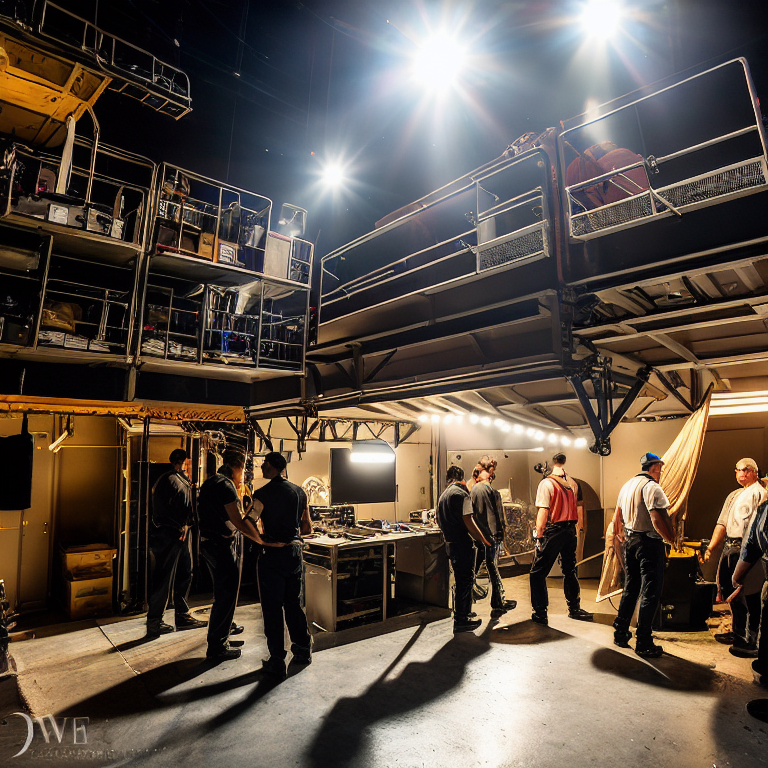
Every successful stage production depends on what happens behind the curtain. While audiences see polished performances, the real magic happens in the organized chaos backstage. From quick costume changes to precise cue timing, backstage operations can make or break a show. These essential backstage tips will help you create smoother, more professional productions that run like clockwork.
Communication is the backbone of any successful production. Clear, consistent communication prevents misunderstandings and keeps everyone on the same page. Establish a communication chain where each department knows who to contact for specific issues. Use headsets or walkie-talkies so crew members can communicate instantly without leaving their posts. Create a shared schedule that shows all cues, scene changes, and technical requirements. When everyone understands their role and timing, the entire production flows more smoothly.
Lighting and sound cues require precise coordination. Work with your lighting and sound designers to create a detailed cue sheet that shows exactly when each change should happen. Practice these transitions repeatedly during tech rehearsals until they become second nature. Use a reliable system for triggering cues, whether that’s a computer program or manual controls. Always have backup plans for technical failures – know how to handle situations when lights or sound systems malfunction during a performance.
Quick costume changes can be stressful without proper preparation. Organize costumes by scene and character, with clear labels showing which pieces belong to each actor. Set up multiple changing stations with good lighting and mirrors. Keep safety pins, tape, and basic sewing supplies nearby for emergency repairs. Practice costume changes during rehearsals to identify potential problems. Consider using magnets or Velcro for faster changes instead of buttons or zippers when time is extremely limited.
Props management prevents costly mistakes and delays. Create a detailed props list that tracks every item needed for each scene. Store props in clearly labeled containers organized by when they’re used in the show. Assign specific crew members to handle props during performances, ensuring they know exactly where to be and when. Always have backup copies of essential props that might break or get lost during the run of the show.
Stage management requires strong organizational skills and calm under pressure. The stage manager serves as the central hub of information, keeping track of all moving parts. Create detailed running scripts that include all cues, entrances, exits, and technical elements. Hold regular production meetings to address concerns before they become problems. Stay calm during emergencies – your composure will help keep the entire team focused and professional.
Safety backstage prevents injuries and accidents. Keep backstage areas well-lit and free of tripping hazards. Establish clear pathways for actors and crew to move between scenes. Store equipment properly when not in use. Have first aid supplies readily available and ensure everyone knows basic emergency procedures. Consider having security personnel to manage audience access and prevent unauthorized backstage entry.
Rehearsal techniques build confidence and consistency. Run full technical rehearsals with all elements – lights, sound, costumes, and props – working together. Practice emergency scenarios like power failures or missed cues so everyone knows how to adapt. Record rehearsals to identify areas for improvement. Create a positive, supportive atmosphere where performers feel comfortable taking creative risks while maintaining professional discipline.
Energy management keeps everyone performing at their best. Backstage can be exhausting, especially for long runs of shows. Ensure performers stay hydrated and have access to healthy snacks. Create quiet areas where actors can rest and focus between scenes. Rotate crew positions when possible to prevent fatigue. Maintain a positive atmosphere that helps everyone stay energized throughout long performances.
Technology integration streamlines backstage operations. Use digital cueing systems that can be updated instantly when changes occur. Implement inventory management software for tracking costumes and props. Create digital call sheets that can be accessed from phones or tablets. Consider using automated systems for repetitive tasks like curtain operations or simple lighting changes.
Team building creates a cohesive, supportive environment. Hold regular team meetings where everyone can share ideas and concerns. Celebrate small victories and acknowledge individual contributions. Create opportunities for different departments to interact and understand each other’s roles. A strong team spirit translates directly into smoother performances and better problem-solving when challenges arise.
###TITLE_START###
Frequently Asked Questions About Backstage Production
What is the most important role backstage during a performance?
The stage manager typically serves as the most critical role, coordinating all aspects of the production and ensuring everything runs according to schedule. However, every role is essential for a smooth performance.
How early should crew arrive before a show?
Crew members should arrive at least 90 minutes before curtain time to handle setup, address any issues, and prepare for the performance. Some technical crews may need even more time.
What should be in a backstage emergency kit?
A comprehensive emergency kit should include first aid supplies, basic tools, extra batteries, duct tape, safety pins, sewing kit, flashlight, and contact information for all key personnel.
How do you handle last-minute cast changes?
Maintain detailed understudy notes and have backup plans ready. Brief replacement performers thoroughly and adjust blocking if necessary. Keep the rest of the cast informed about changes.
What’s the best way to organize quick costume changes?
Use a color-coded system for different scenes, set up multiple changing stations, and practice changes repeatedly. Have assistants ready to help with complex changes and keep emergency repair supplies nearby.
How can we improve communication during performances?
Invest in quality communication equipment like headsets, establish clear protocols for different situations, and conduct regular communication drills during rehearsals.
###TITLE_START###
Conclusion
Creating smooth stage productions requires attention to countless details that happen behind the scenes. From clear communication systems to organized costume changes, every element contributes to the overall success of the performance. By implementing these essential backstage tips, you’ll create a more professional, efficient, and enjoyable experience for everyone involved in the production. Remember that preparation, organization, and teamwork are the foundations of any successful stage show. When you master the art of backstage management, the performances on stage will shine even brighter.
Leave a Reply