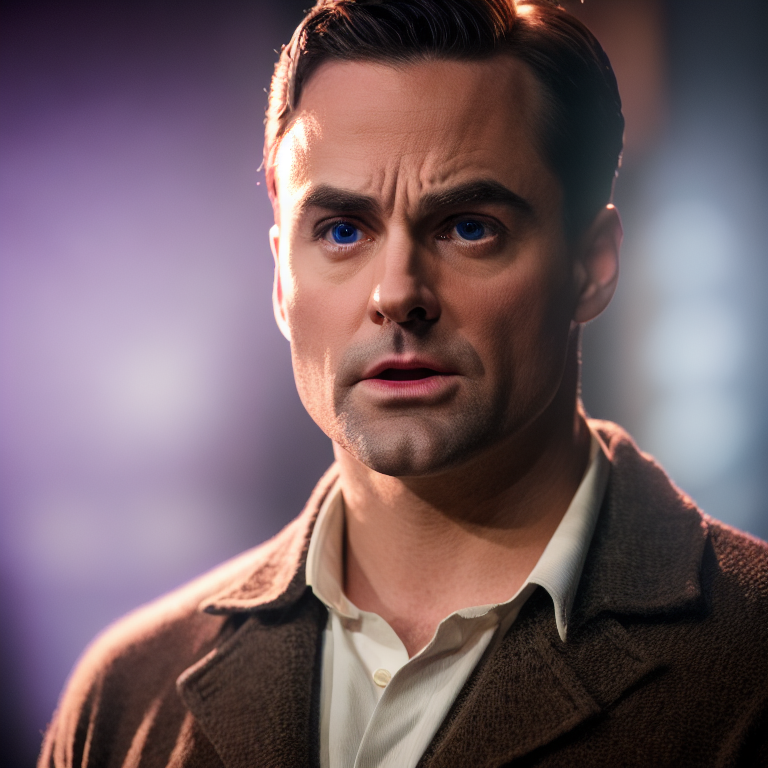
Eye contact is one of the most powerful tools in an actor’s arsenal. When done correctly, it creates an instant connection with your audience, builds trust, and makes your performance unforgettable. Whether you’re performing Shakespeare or delivering a modern monologue, mastering eye contact can transform your stage presence from good to extraordinary.
The magic of eye contact lies in its simplicity. A single glance can convey emotion, intention, and character depth without saying a word. But many actors struggle with this fundamental skill, either avoiding eye contact entirely or holding it for uncomfortably long periods. The good news is that eye contact is a learnable skill that improves with practice and awareness.
In this comprehensive guide, we’ll explore proven techniques that will help you use eye contact to captivate your audience, convey your character’s emotions authentically, and create those magical moments that make theater so powerful. These strategies work for beginners and seasoned professionals alike, and they’ll help you develop the confidence to own any stage.
Understanding the Psychology of Eye Contact
Eye contact triggers powerful psychological responses in both the performer and the audience. When you look someone directly in the eyes, your brain releases oxytocin, often called the “bonding hormone.” This chemical reaction creates feelings of trust and connection, making your performance more engaging and memorable.
Research from psychology studies shows that eye contact activates the social brain network, making people feel acknowledged and valued. This is why audiences remember performers who make genuine eye contact—they feel personally connected to the story being told. The human brain is wired to seek eye contact, and when you provide it skillfully, you tap into this natural human need for connection.
However, cultural differences play a significant role in how eye contact is perceived. What works in Western theater might feel inappropriate in other cultural contexts. Understanding these nuances helps you adapt your technique for different audiences and performance spaces. The key is finding the right balance that feels authentic to your character while respecting cultural sensitivities.
The 3-Second Rule for Natural Connection
The three-second rule is a fundamental technique that prevents your eye contact from feeling forced or creepy. When you make eye contact with an audience member or fellow actor, hold it for approximately three seconds before naturally looking away. This duration is long enough to establish connection but short enough to avoid making anyone uncomfortable.
Think of eye contact like a conversation. You wouldn’t stare at someone’s eyes without blinking during a normal chat, so don’t do it on stage either. The three-second window gives you time to convey emotion and intention while maintaining the natural rhythm of human interaction. This technique works especially well during monologues when you need to create the illusion of speaking to different people in the audience.
Practice this technique by timing yourself during rehearsals. Set a timer for three seconds and notice how it feels to maintain eye contact for that duration. You’ll likely find it feels longer than you expect, which is perfect for stage work. This simple timing trick can dramatically improve the authenticity of your performance.
Scanning the Room Strategically
Strategic eye scanning ensures you connect with your entire audience rather than focusing on just one section. Divide your performance space into quadrants—left, right, center, and back—and make a conscious effort to include each area in your eye contact patterns. This creates an inclusive experience where everyone feels seen and involved in your performance.
Start by making brief contact with someone in the front left, then move to the front right, then the center, and finally include someone in the back. This doesn’t need to be a rigid pattern—in fact, varying your scanning pattern keeps it feeling natural and spontaneous. The goal is to create the impression that you’re genuinely engaging with different individuals throughout your performance.
Remember that larger venues require different scanning techniques than intimate spaces. In a small black box theater, you might make eye contact with individual audience members for longer periods. In a large auditorium, you’ll need to scan more quickly and focus on sections rather than individuals. Adapt your technique to the space while maintaining the same principles of inclusive connection.
Using Eye Contact to Build Character Relationships
Eye contact is a powerful tool for establishing and developing relationships between characters on stage. The way your character looks at another character reveals volumes about their relationship, power dynamics, and emotional state. A dominant character might maintain steady eye contact, while a submissive one might look away frequently or only make brief contact.
Consider how your character’s personality affects their eye contact patterns. A confident character might hold eye contact longer and more frequently, while an insecure character might avoid it or make quick, darting glances. These subtle choices help the audience understand your character’s psychology without you having to explain it through dialogue.
Practice different eye contact patterns with your scene partners during rehearsals. Experiment with how changing your eye contact affects the scene’s dynamics. You might discover that maintaining steady eye contact during a confrontation scene makes it more intense, while breaking eye contact during vulnerable moments adds emotional depth. These discoveries come through experimentation and feedback.
Overcoming Stage Fright Through Eye Contact
Many actors struggle with stage fright, and eye contact can be both a source of anxiety and a solution. When you’re nervous, it’s tempting to avoid looking at the audience altogether, but this actually increases your anxiety. Making deliberate eye contact with friendly faces in the audience can help calm your nerves and ground you in the present moment.
Choose a few “friendly faces” in the audience before your performance—people who look engaged and supportive. During your performance, make brief eye contact with these individuals when you need a confidence boost. Their positive energy will feed back to you, helping you relax and perform more naturally. This technique works because it gives you specific targets rather than overwhelming you with the entire audience.
Deep breathing combined with eye contact can be particularly effective for managing stage fright. Take a breath, make eye contact, then exhale as you look away. This rhythmic pattern helps regulate your nervous system while maintaining connection with your audience. Over time, this practice can transform your relationship with performing from anxiety-producing to energizing.
The Power of the Soft Focus Technique
The soft focus technique is perfect for moments when direct eye contact feels too intense or when you need to create a more ethereal, dreamlike quality in your performance. Instead of focusing on specific individuals, soften your gaze to take in the entire audience or a general area. This creates a sense of inclusivity while reducing the pressure of individual connection.
To achieve soft focus, relax the muscles around your eyes and allow your vision to become slightly blurred. You’ll still be able to see the audience, but you won’t be making direct eye contact with specific individuals. This technique works beautifully for soliloquies, dream sequences, or moments of introspection where your character is reflecting rather than directly addressing others.
Practice soft focus by looking at a wall and gradually relaxing your eye muscles until the entire wall comes into soft focus rather than any particular spot. This skill takes practice but becomes natural with time. Use soft focus strategically throughout your performance to create different emotional textures and maintain audience engagement without overwhelming intensity.
Eye Contact in Different Performance Spaces
Different performance spaces require different approaches to eye contact. In an intimate black box theater, you might make eye contact with individual audience members for several seconds at a time. The proximity allows for deep, personal connections that can be incredibly powerful. However, you need to be careful not to single anyone out for too long, which could make them uncomfortable.
Large proscenium theaters present different challenges. The distance between you and the audience means you’ll need to exaggerate your eye movements slightly and focus on sections rather than individuals. Look toward the back of the house and sweep your gaze across different sections. The audience will perceive this as direct eye contact even though you’re not making individual connections.
Outdoor performances and non-traditional spaces add another layer of complexity. Wind, sunlight, and ambient noise can affect how you use eye contact. In these environments, you might need to rely more on body positioning and head turns to direct attention, using eye contact more sparingly but with greater impact when you do make it.
Practicing Eye Contact Off Stage
Developing strong eye contact skills requires practice both on and off stage. Start by becoming more aware of your natural eye contact patterns in everyday conversations. Notice how long you typically maintain eye contact, when you look away, and how it affects the flow of communication. This self-awareness will translate directly to your stage work.
Try the “eye contact challenge” with friends or family members. During conversations, consciously maintain eye contact for slightly longer than feels comfortable. This builds your tolerance for the intensity of stage eye contact while helping you understand the natural rhythms of human connection. You’ll discover that what feels like forever in practice is actually quite normal in performance.
Mirror work is another valuable practice tool. Stand in front of a mirror and practice delivering lines while maintaining eye contact with yourself. This helps you become comfortable with the intensity of direct gaze while allowing you to observe your facial expressions and emotional responses. Pay attention to how your eyes change when you express different emotions.
Common Eye Contact Mistakes to Avoid
One of the most common mistakes actors make is what I call “the deer in headlights” syndrome—holding eye contact for way too long, creating an uncomfortable staring contest with audience members. This usually happens when actors are nervous or trying too hard to connect. Remember the three-second rule and trust that brief, meaningful contact is more effective than prolonged staring.
Another frequent error is the “ping-pong” effect, where actors rapidly shift their gaze between different points without allowing any real connection to form. This creates a jittery, unfocused energy that undermines your performance. Instead, allow yourself to land on different areas of the audience with intention, holding each position briefly but meaningfully.
Avoiding eye contact altogether is perhaps the most damaging mistake. When actors look at the floor, over the audience’s heads, or at fixed points on the back wall, they create a barrier between themselves and the audience. This distances the audience emotionally and makes the performance feel less authentic. Even if you’re nervous, make the effort to include the audience in your performance through strategic eye contact.
Advanced Techniques for Experienced Performers
Once you’ve mastered the basics, you can explore more advanced eye contact techniques that add nuance and depth to your performances. The “leading eye” technique involves using your eye movements to guide the audience’s attention. Before you turn your head or move to a new position, let your eyes lead the way. This creates a natural, flowing quality to your movements.
The “emotional echo” technique uses eye contact to reflect and amplify the emotions of other characters. When another actor delivers an emotional line, hold their gaze for an extra beat to show how their words affect your character. This creates a feedback loop of emotion that makes scenes more dynamic and engaging. Practice this technique with scene partners to develop your responsiveness.
For complex characters, you might develop different eye contact patterns for different emotional states. A character who’s falling in love might make more frequent, softer eye contact, while the same character experiencing heartbreak might avoid eye contact or make it sharply and briefly. These subtle variations help the audience track your character’s emotional journey without explicit dialogue.
Leave a Reply