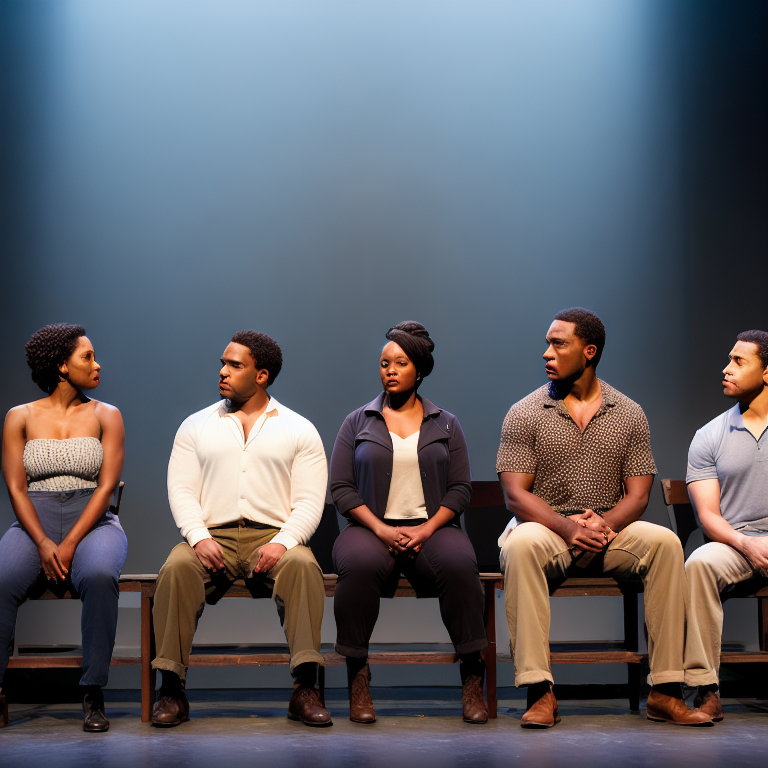
Ever freeze up during an improv scene and feel like your reactions are forced or fake? You’re not alone. Natural reactions are the secret sauce that makes improv scenes feel real and engaging. When you react authentically, the audience connects with your performance, and your fellow actors can build on your energy.
The good news is that natural reactions aren’t some magical talent you’re born with. They’re skills you can develop through practice and specific techniques. In this guide, we’ll explore eight proven ways to make your improv reactions feel genuine and effortless.
Understanding the Foundation of Natural Reactions
Natural reactions in improv start with being present in the moment. When you’re truly listening and observing what’s happening around you, your responses will naturally flow. Many performers make the mistake of thinking too far ahead or planning their next line instead of focusing on what’s happening right now.
Your body language speaks volumes before you even say a word. Open, relaxed posture signals that you’re ready to receive whatever comes your way. Crossed arms or tense shoulders can block both your ability to listen and your capacity to react authentically. Practice standing with your weight balanced and your chest open when you’re on stage.
The emotional state you bring into a scene affects everything. If you’re tense, worried about messing up, or trying too hard to be funny, those feelings will show in your reactions. Learning to manage performance anxiety is crucial for natural responses. Simple breathing exercises before you go on stage can help you arrive calm and centered.
Mastering Active Listening in Improv
Active listening is the cornerstone of natural reactions. It means fully concentrating on what your scene partner is saying, not just waiting for your turn to speak. When you truly listen, your responses become organic because they’re based on what you actually heard and felt in that moment.
Practice the “repeat in your head” technique. As your partner speaks, silently repeat their words in your mind. This forces you to actually process what they’re saying instead of planning your response. You’ll be amazed at how much more connected your reactions become when you’re truly absorbing the information.
Watch for non-verbal cues from your scene partners. Their facial expressions, body language, and tone of voice often communicate more than their words. If someone says “I’m fine” with a tight jaw and narrowed eyes, reacting to the underlying emotion rather than the literal words creates a much more authentic scene.
Using Your Five Senses to Ground Reactions
Engaging your senses helps you stay present and react naturally. What do you see, hear, smell, taste, and feel in this moment? Bringing sensory awareness into your improv work anchors you in reality and sparks genuine responses.
Try this exercise: before a scene, take 30 seconds to notice three things you can see, three you can hear, and three you can physically feel. This quick sensory check-in brings you into the present moment and makes your reactions more grounded and real.
When something happens in a scene, let your senses guide your response. If your partner mentions it’s cold, don’t just say “yes, it is” – physically react as if you feel the chill. Shiver, pull your arms close, or rub your hands together. These physical reactions feel authentic because they’re based on real sensory experiences.
Embracing Silence and Pauses
Natural reactions don’t always mean immediate responses. Sometimes the most powerful moments in improv come from pauses and silence. These moments give you time to process what’s happening and allow your genuine reaction to surface.
Don’t fear the pause. When something surprising or emotional happens, taking a beat to absorb it before responding often creates a more powerful reaction than speaking right away. The audience will lean in during these moments, eager to see how you’ll respond.
Practice comfortable silence in your scenes. Instead of rushing to fill every gap with words, let moments breathe. A thoughtful look, a slow nod, or a deep breath can communicate volumes and feel much more natural than forced dialogue.
Developing Emotional Authenticity
Your reactions should come from a place of truth, even in absurd situations. This doesn’t mean you need to experience real trauma on stage, but rather that you connect with genuine emotions that relate to the circumstances of the scene.
Use emotional memory to inform your reactions. Think about a time you felt similar emotions to what your character might be experiencing. That memory can help you access authentic feelings that translate into natural responses, even if the situation is completely different from your real life.
Allow yourself to feel the full range of emotions during a scene. If something is sad, let yourself feel sad. If it’s joyful, embrace that joy. Trying to maintain a “cool” or detached attitude often results in flat, unnatural reactions. Give yourself permission to be emotionally present and vulnerable.
Physicalizing Your Reactions
Your body often reacts before your mind catches up, and these physical responses can be incredibly authentic. Learn to trust and use your physical instincts in improv scenes.
Notice how your body naturally responds to different emotions and situations in real life. When you’re surprised, you might raise your eyebrows and open your mouth slightly. When you’re nervous, you might fidget or avoid eye contact. Bringing these natural physical responses into your improv work makes your reactions feel genuine.
Practice “mirroring” exercises with scene partners. Subtly matching their posture, gestures, or energy level can create a natural rapport and make your reactions feel more connected and authentic. Just be careful not to become a caricature – the goal is subtle alignment, not exact copying.
Building on What You Receive
The golden rule of improv is “yes, and” – accepting what your partner offers and building on it. This principle is essential for natural reactions because it keeps you in the moment and responding to what’s actually happening.
When your partner makes an offer, your first reaction should be acceptance. Even if it seems strange or challenging, find a way to embrace it. Fighting against what’s given to you creates forced, unnatural responses as you try to redirect the scene to something more comfortable.
Look for opportunities to add specificity to your reactions. Instead of a generic “that’s great,” try “that’s great – I can’t believe you actually did it after all these years.” The specific detail makes your reaction feel more personal and authentic.
Practicing Mindfulness for Better Reactions
Mindfulness techniques can dramatically improve your ability to react naturally in improv. Being present and aware helps you notice more details and respond more authentically.
Try a simple mindfulness exercise before performances: sit quietly for five minutes and focus on your breath. When your mind wanders, gently bring your attention back to your breathing. This practice trains your brain to stay present, which translates directly to more natural reactions on stage.
During scenes, practice “beginner’s mind” – approach each moment as if you’re experiencing it for the first time. This mindset helps you stay curious and responsive rather than falling into habitual patterns or preconceived notions about how scenes should go.
Overcoming Fear of “Getting It Wrong”
One of the biggest obstacles to natural reactions is the fear of making mistakes. Remember that in improv, there are no wrong answers – only opportunities for discovery and connection.
Embrace the unexpected. When something surprising happens in a scene, your natural reaction might be confusion or uncertainty. That’s okay! Those genuine human responses are often more interesting than polished, “correct” reactions.
Practice radical self-acceptance. Remind yourself that your authentic self is enough, and that genuine reactions – even imperfect ones – are more valuable than forced perfection. The audience connects with realness, not with flawless performances.
Frequently Asked Questions (FAQ)
How do I stop overthinking my reactions in improv scenes?
Practice the “first thought, best thought” principle. Say or do the first thing that comes to mind without judging it. You can also try counting to three in your head before responding, which gives your natural instincts time to surface without overanalyzing.
What if my natural reaction doesn’t seem funny or interesting?
Remember that authenticity is more important than being clever. Natural reactions often lead to the most genuine humor because they’re relatable. Trust that your honest response will serve the scene better than a forced joke.
How can I react naturally when I don’t understand what’s happening in the scene?
It’s okay to be confused! A genuine “wait, what?” or a puzzled expression can be a perfectly natural reaction. You can also ask clarifying questions in character, which keeps the scene moving while honoring your authentic response.
Should I always match the energy level of my scene partners?
Not necessarily. While matching energy can create good chemistry, sometimes a contrasting reaction is more natural and interesting. If your partner is frantic, a calm, grounded response might feel more authentic to your character.
How do I maintain natural reactions when I’m nervous?
Focus on your breath and the physical sensations in your body. Grounding techniques like feeling your feet on the floor or noticing the temperature of the room can help you stay present despite nervousness. Remember that the audience wants you to succeed.
Can natural reactions be practiced alone, or do I need a scene partner?
Both! Solo practice might include emotional memory exercises, sensory awareness drills, or practicing different types of reactions in front of a mirror. However, working with partners is essential for developing the listening and responding skills that make reactions truly natural in context.
Conclusion
Natural reactions in improv aren’t about being perfect – they’re about being present, authentic, and responsive to what’s happening in the moment. By practicing active listening, engaging your senses, embracing silence, and allowing yourself to feel genuine emotions, you’ll develop reactions that feel real and connect with your audience.
Remember that this is a skill that improves with practice. Be patient with yourself as you develop these techniques, and celebrate the small victories along the way. The more you trust your instincts and stay present in the moment, the more naturally your reactions will flow.
The beauty of improv is that it celebrates the perfectly imperfect human experience. Your genuine reactions – with all their quirks and nuances – are exactly what make your performances unique and compelling. So take a deep breath, stay present, and let your authentic self shine through in every scene.
Leave a Reply